Business & Team Merch
Trade Show Merchandise: A Practical Guide to Products and Quantities
Plan what you will give out, who it is for and how it will reach the show. The product choice becomes easier when the distribution plan is clear.
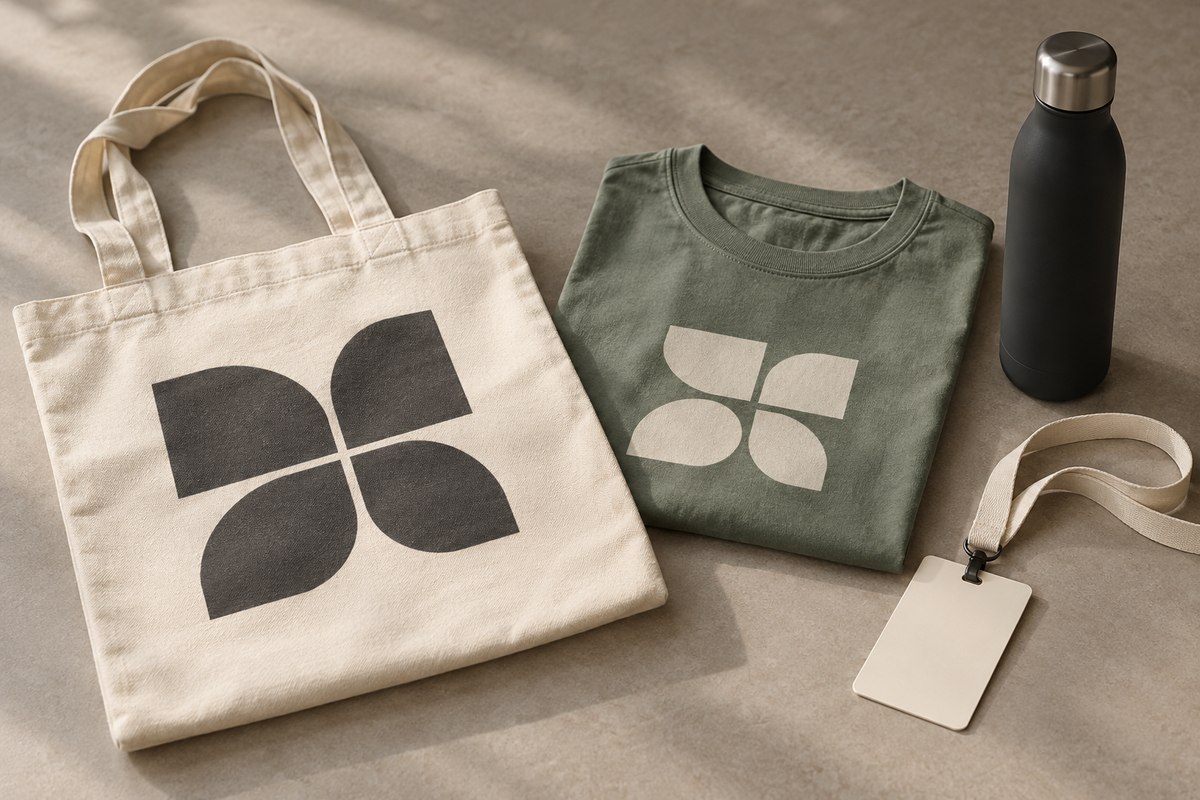
A tote, bottle or shirt may be useful merchandise, but each creates different choices about quantity, sizing, packing and transport. Start with your audience and booth activity rather than choosing the lowest unit price from a catalogue.
Define a useful role for each product
Ask what visitors will do with the item. A bag can carry materials during the event; a shirt needs a size choice; drinkware takes space in cartons and luggage. Think about what suits your audience, the event format and the journey home.
Choose a small range with a clear purpose for each item. Our trade-show giveaways page and promotional products selection can help you explore options. Confirm the exact model, material, decoration area and stock before building the event plan around it.
Estimate quantities from your distribution plan
Venue attendance is not the same as the number of people who will visit your booth or receive merchandise. Consider the number of show days, staffing, expected conversations and whether you plan to offer an item to every visitor or only at selected activities.
For example, a plan to distribute 60 totes per day over three days requires 180 totes, before any separately chosen buffer. That is a planning calculation, not an attendance prediction. Use a lower, expected and higher distribution scenario if the traffic estimate is uncertain.
A two-level range is one option: a general giveaway plus a smaller quantity of a different item for scheduled meetings or existing customers. Use it only if the distinction makes sense for your event, and brief the team on how items will be distributed.
Compare total costs, not just item prices
Set an overall merchandise budget and include setup, decoration, applicable taxes, delivery and any event handling or storage charges. A low unit price can still lead to a large total when the quantity or number of decoration versions increases.
Ask for comparable quotes using the same quantities and artwork details. If the budget is tight, compare changes such as one product instead of several, a different decoration location or a smaller initial quantity. Suitability and pricing depend on the actual products and order.
Plan staff apparel separately
Booth clothing should suit the workday, venue temperature and the team wearing it. Ask staff to review the exact style and size chart. Do not pull their sizes from a generic giveaway-shirt order.
Consider whether the clothing will be used again. A design focused on the company rather than one show date may be useful for later events. Explore staff uniform options and our layering guide when comparing T-shirts, polos and warmer layers.
Check artwork at the size it will be used
A logo on a tote and the same logo on a small product may need different layouts. Confirm the available decoration area, proposed dimensions, colour references and any required simplified artwork before approving the order.
Use the artwork preparation guide to prepare your files. Review each product’s proof rather than assuming one layout will work everywhere.
Confirm the delivery route before ordering
Choose whether the goods should arrive at your office, a hotel, an event warehouse or the venue. Ask the receiving location about opening dates, booking references, carton labels, receiving fees and who will accept the shipment.
Give Pressing Matters the date the goods must be received, not just the first show day. Production and shipping are separate parts of the schedule. Ask for both to be reviewed for your project, and plan how goods will move from the receiving point to the booth.
Give the booth team a simple stock plan
- Record starting quantities by product and size.
- Keep a daily allocation rather than opening every carton at once.
- Assign one person to monitor remaining stock.
- Plan storage and transport for items left after the show.
- Record what was distributed to improve the next estimate.
The event apparel checklist is a useful companion when merchandise and staff clothing share the same deadline.
