
Business & Team Merch
School Spirit Wear Fundraisers: How to Plan a Pre-Order
Choose a small product range, collect complete orders and work backwards from distribution day. A clear pre-order process is more useful than a long list of merchandise options.
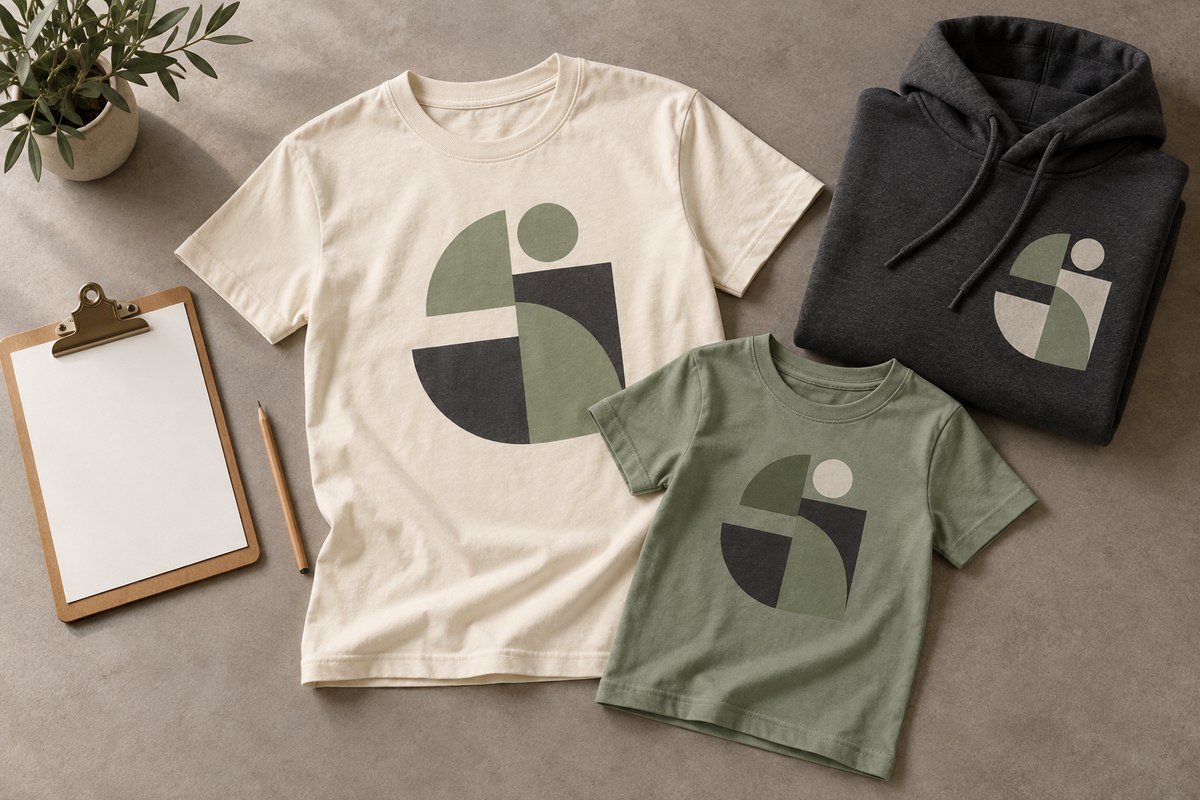
A school spirit-wear fundraiser combines two jobs: choosing clothing people want and administering everyone’s order. Keep both manageable. Before promoting a sale, agree on the products, costs, closing date and who will handle payment questions and distribution.
Define the fundraiser before choosing garments
Decide whether the main goal is to raise funds, make spirit wear accessible or supply clothing for a particular activity. Those priorities may lead to different products and selling prices. Record the spending limit and the amount you hope to retain after expenses, without assuming every family will order.
Confirm who can approve the school name, crest and any student-created artwork. Use only artwork you are authorized to reproduce, and have one person collect feedback before requesting revisions. Our school spirit-wear page is a starting point for the apparel discussion.
Keep the first range focused
Start with a core item such as a T-shirt or hoodie, then decide whether an additional style serves a clear need. Every extra colour, fit and design creates another combination to count, quote and distribute.
If you offer adult and youth garments, show them as separate products with their own style names and size charts. Do not describe a youth large and adult large as interchangeable. The group apparel size guide explains how to collect choices using the correct chart.
Review the exact garment, colours and current availability before announcing the range. Agree on what happens if a selected item becomes unavailable: contact affected buyers to approve an alternative rather than substituting silently.
Build the price from the complete quote
Include garments, decoration, setup, applicable taxes and delivery in the merchandise cost. Add any expenses your organizing group will incur, such as payment processing, packaging or local distribution. Then check whether the proposed selling price leaves room for the intended contribution.
For a simple illustration, selling 80 items at $30 produces $2,400 in gross sales. If the complete project costs $1,900, the amount remaining is $500. Those figures are an example, not a price quote, demand forecast or promised fundraising result.
Ask how a change in quantity would affect the quote before setting the final price. Do not assume a fixed discount, special school minimum or identical pricing across youth and adult products.
Make the pre-order form unambiguous
A useful form shows the product photo or approved mockup, style, colour, size chart and selling price. Collect the item, size and quantity in separate fields so that entries can be counted reliably.
- Use an order reference and an adult contact for questions.
- Record the exact product and size selected.
- State the order closing date and distribution plan.
- Explain who handles payment, changes and missed pickups.
- Collect only the personal details your organizers need.
Decide who will host the form and collect payments. A school-managed form, an existing fundraising system and a store-based approach have different responsibilities. Confirm any requested online ordering arrangement separately; do not assume it comes with an apparel quote.
Set dates around the whole project
Allow for artwork review, size questions, order collection, approvals, production, delivery and sorting. Ask for a schedule based on the selected products and quantity before announcing when families will receive their items.
Have one coordinator submit the final size totals after resolving duplicate entries and incomplete orders. The event apparel checklist can help if distribution is tied to a sports day, concert or other fixed date.
Prepare distribution before the cartons arrive
Keep a distribution list that connects each order reference with its items. Decide who will check the incoming quantities, sort orders and handle collection. If orders need to be packed individually, agree on who will do that work and allow time for it.
After the sale, record the approved garment styles, artwork, actual expenses and quantities sold. That gives the next organizing group useful evidence instead of leaving them to repeat the same guesses.
