
Business & Team Merch
Nonprofit Apparel: Planning Volunteer Shirts and Supporter Merch
Volunteer shirts, appreciation gifts and merchandise for sale serve different purposes. Decide what each item needs to do before dividing the apparel budget.
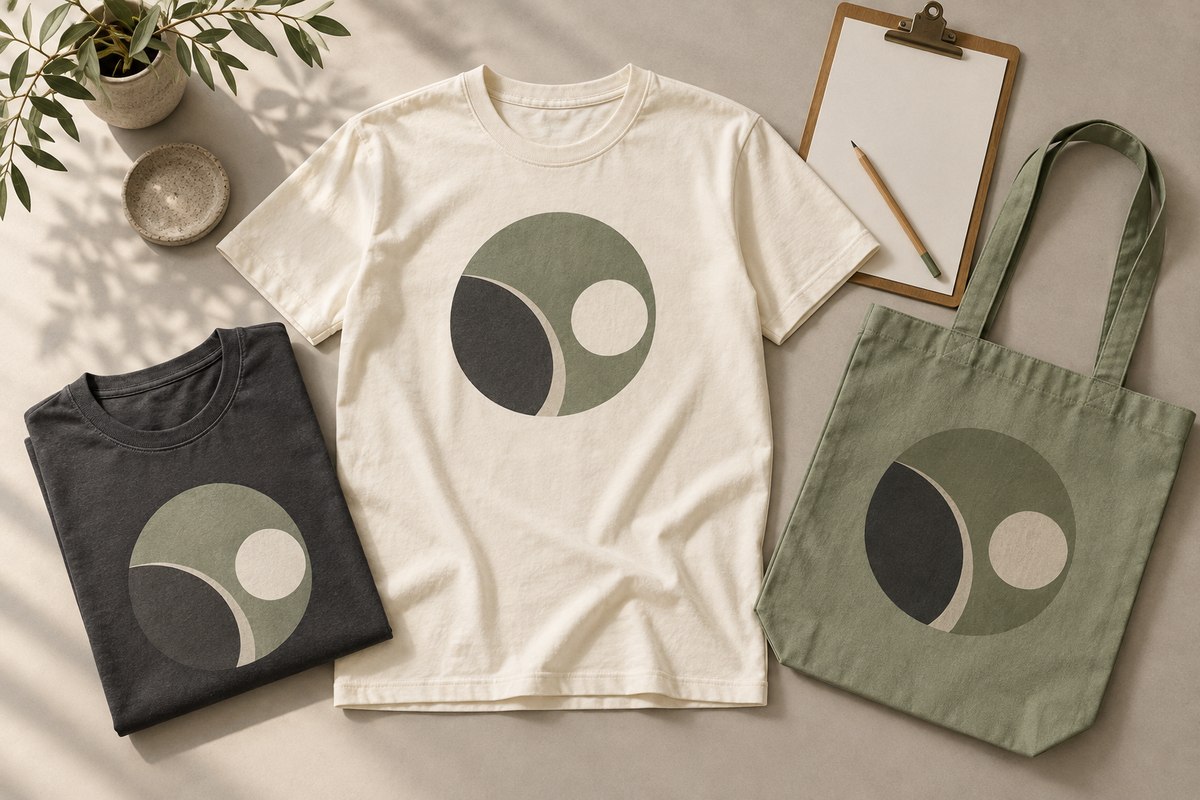
A community clean-up may need easy-to-recognize volunteer shirts. A year-round organization may need consistent staff clothing, while a fundraiser may sell a design to supporters. Treat those as separate decisions so the practical requirements are covered before optional items use the remaining budget.
Start with the purpose and the people
List who will receive the apparel, when they will use it and whether it is essential to an event or an optional gift. A volunteer identification shirt needs a clear design that helps attendees recognize the team. Supporter merchandise can focus more on a design people choose to wear away from the event.
If the organization needs both, consider a consistent visual theme with different layouts. For example, the same emblem could appear with a visible volunteer role on one shirt and a simpler design on a supporter version. That is a planning example, not a promise that two versions will share the same production setup.
Choose volunteer clothing for the actual job
Think about the tasks, location and weather. An indoor registration team may need something different from people working outdoors through a Metro Vancouver morning. Ask whether participants will wear layers and collect individual garment choices instead of assigning sizes by guesswork.
A clear organization name and readable role can help distinguish the team. Review contrast and artwork at the proposed size. Where a task has safety requirements, ordinary branded clothing is not a substitute for the appropriate protective equipment or required workwear.
Use our size collection guide to prepare the quantity breakdown. For a fixed event date, the event apparel checklist helps connect the clothing plan to distribution and delivery.
Separate the budget into useful parts
Start with a total spending limit, then allow for garments, decoration, setup, applicable taxes and delivery. Include packaging or distribution expenses if your team will handle them. Compare complete quotes for the same quantities and specifications rather than comparing only a garment price.
Ask for alternatives that change one variable at a time: a different garment, fewer decoration locations or a simpler design. Our screen printing and DTF comparison can help you understand the discussion, but the suitable method depends on the actual artwork, fabric and order.
Do not build the plan around an assumed charity discount or special minimum. Give Pressing Matters your budget and ask for current options for your specific project.
Plan supporter merchandise with demand in mind
If you will sell merchandise, decide who it is for, how orders will be collected and who will distribute the items. A pre-order can help collect size choices, but it still needs a clear closing date and a realistic fulfilment plan.
For illustration, 60 shirts sold at $25 would produce $1,500 in gross sales. That is not the amount left for the cause: subtract the complete merchandise and selling costs, and account for any unsold items. Use your own quote and expected demand before committing funds. No sales level or fundraising return is guaranteed.
For appreciation gifts, choose items around recipients’ preferences and your available budget. Avoid ordering a large range of products unless you have a clear reason for each one.
Make repeat events easier to plan
A design without a prominent year can be useful when shirts will be worn at several events. Keep the garment style, colour, approved artwork and decoration dimensions on record. Review stock and condition before assuming previous items can cover the next event.
For reorders, confirm the current product, availability, price and production requirements. A saved proof is a helpful reference, but it does not guarantee identical stock or pricing in the future.
Prepare a complete enquiry
- Organization name and the purpose of the apparel.
- Volunteer, staff, supporter or gift quantities.
- Garment preferences and size breakdown.
- Artwork, decoration positions and any role labels.
- Total budget and the date items are needed.
- Delivery location and who will handle distribution.
For ongoing team clothing, explore staff uniform options. Keep one person responsible for collecting the final details and approving changes, so the quote reflects one current version of the plan.
