
Apparel & Ordering
How to Reorder Custom Apparel: The Details Worth Keeping
“Same as last time” is a helpful starting point. An order reference, clear garment specification and a short list of changes make it much more useful.
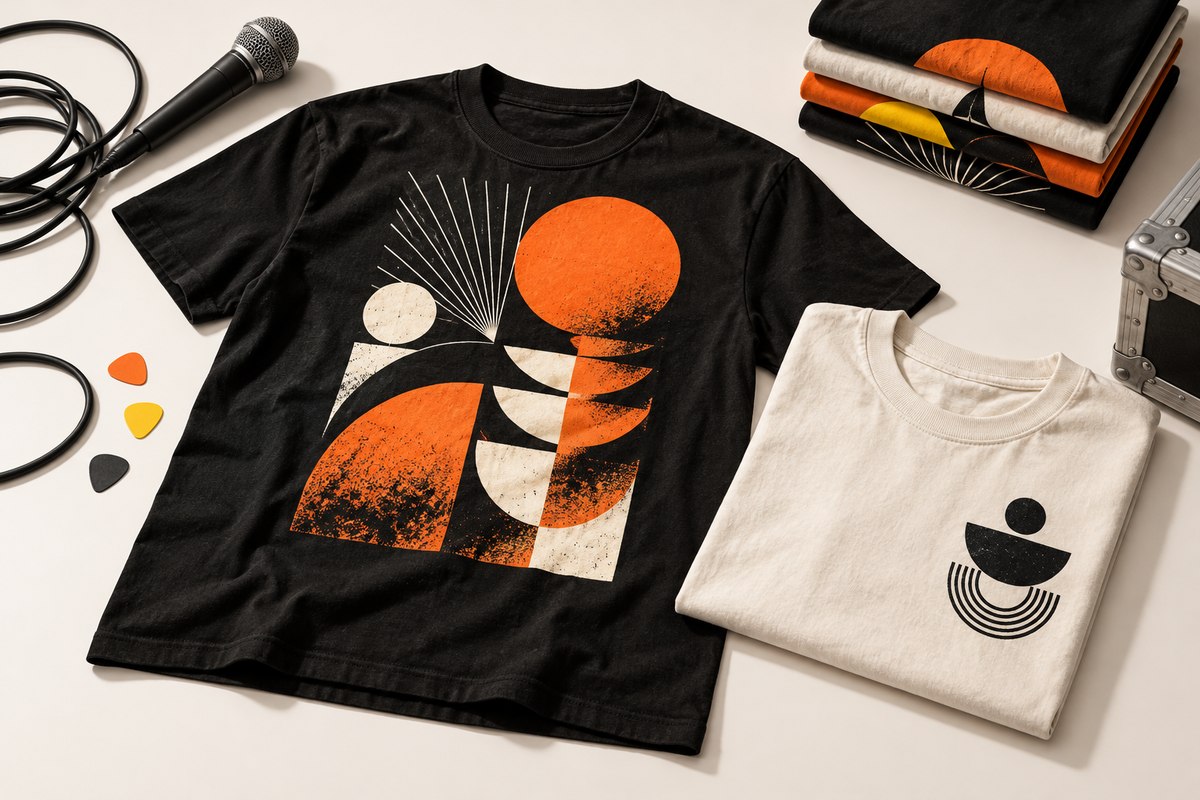
Reorders can involve more decisions than expected: a garment may be unavailable, the new quantity may differ, or a logo may have changed since the last run. Keep a compact record of what was approved and ask for the current details to be confirmed before treating a repeat order as identical.
Start with the earlier order reference
Send the previous order or invoice number if you have it, along with the approximate date and the name or company the order was placed under. A description of the design can help distinguish similar jobs.
If someone else organized the original order, collect what they can share before making assumptions about the garment or decoration. A photograph is a useful visual reference, but it may not identify the exact style, colour or production artwork.
Keep a garment specification
Record the brand, style number, fit, colour and size range. Keep youth, adult and other fit options separate. Similar-looking shirts can differ in fabric, shape and measurements, so a general description such as “black cotton tee” leaves important choices unresolved.
If a replacement style is suggested, review its product details and size chart before confirming quantities. Our size collection guide explains why size letters alone are not enough, and the fabric-weight guide covers another useful comparison point.
Keep the artwork and approved proof together
Retain the best available source artwork, the proof you approved and the finished decoration dimensions. Record which design appears on each garment and where it is positioned. If your brand uses colour references, keep those with the files.
Do not rely on an old email thumbnail as the only copy of your logo. The artwork preparation guide can help you supply usable files. If you want to use files from a previous job, ask Pressing Matters to confirm what can be located and reused rather than assuming permanent storage.
For embroidery, an existing production file may need review when the garment, design size or placement changes. Our embroidery pricing guide explains why setup and stitch details are part of the quote.
State what is changing
Separate the details you want to repeat from the changes you want quoted. For example: keep the same shirt style, colour and front design, but order a new size mix and remove the back print. List each change explicitly so it can be reflected in the current proof and quote.
- Garment brand, style, fit or colour.
- Artwork version or wording.
- Decoration size, position or number of locations.
- Quantity and size breakdown.
- Required date and delivery destination.
Even a small artwork change should be identified as a new version. Keep outdated files in a separate archive so that an earlier logo is not mistaken for the current one.
Reconfirm stock, price and timing
A repeat order still needs current availability and pricing. The quantity, garment costs, setup requirements and delivery arrangements may differ from the previous job. Ask whether existing setup can be reused and what the new quote includes; do not assume every repeat order has no setup charge.
Discuss whether remaining stock from the earlier order can cover your needs before choosing a new quantity. For a larger replenishment order, the bulk custom apparel page is a useful starting point. For ongoing staff clothing, see staff uniform options.
Confirm when the garments are needed and whether pickup or shipping is required. A previous turnaround estimate does not establish the schedule for the next job.
Use a concise reorder brief
Include the earlier order reference, exact garments, artwork or approved proof, requested changes and quantities by size. Add the required date, delivery location and one contact who can approve the order.
After approval, save the new proof and specifications as the current version. That gives the next reorder a reliable starting point while preserving a record of what changed.
